CLEANTECH
MOLECULAR RECYCLING
of PET Plastics and Polyester
TECHNOLOGY
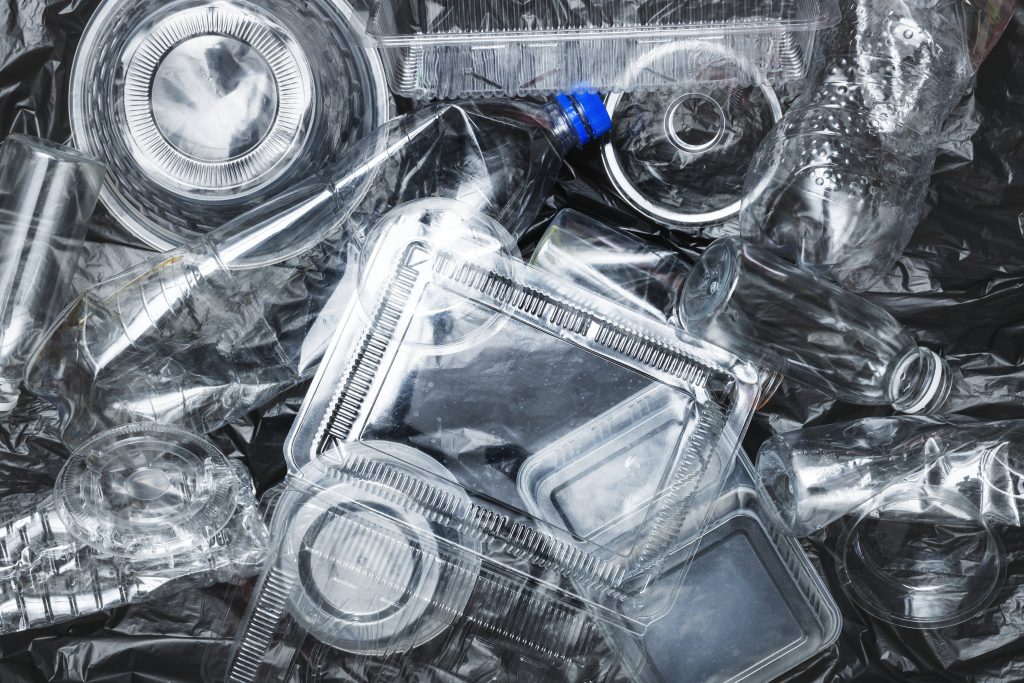
RECIVONE is a cleantech company bringing to market a patented molecular recycling technology that transforms PET and PES waste into virgin-quality monomers – TPA and MEG – for the production of new PET plastics and polyester, while also producing circular fertilisers and creating additional value streams within a single process.
Protected by patents in Europe and the United States and technically validated, the technology delivers virgin-quality materials, strong unit economics, and enables true circularity across post-consumer and post-industrial fossil-based plastics, bioplastics, synthetic textiles, and modern agriculture systems.

Patented molecular recycling
Our technology transforms PET plastics and polyester textiles into virgin-quality raw materials, advancing circularity while reducing fossil resource dependence.

Virgin-quality products
We produce virgin-quality monomers for new PET plastics and polyester, along with circular fertilisers that support full circularity.
Circular economy in action
Our solution links plastic and textile recycling with modern agriculture — delivering a truly closed and sustainable circular material resource cycle.
OUR PRODUCTS MADE THROUGH ALKALINE HYDROLYSIS
TEREPHTHALIC ACID – TPA
High-purity terephthalic acid — the primary monomer for new PET and polyester — matching virgin-grade quality.
MONOETHYLENE GLYCOL – MEG
High-purity monoethylene glycol — an essential monomer that, together with TPA, forms new virgin-quality PET and polyester.
CIRCULAR NITROGEN FERTILISER
Nitrogen fertilisers, including NaNO₃, KNO₃ and NH₄NO₃, supporting resource efficiency and circularity in agriculture.
CORE ADVANTAGES

VIRGIN-QUALITY OUTPUTS
Monomers identical to virgin materials.
FULL CIRCULARITY
Waste becomes new raw materials.
CO₂ REDUCTION
Reduced dependence on fossil resources.
ENERGY EFFICIENCY & ZERO WASTE
Lower-energy process with no waste.
Together, we’re shaping a sustainable future with RECIVONE
Send us your questions, ideas, or collaboration inquiries
RECIVONE s.r.o.
Rybná 682/14
110 00, Praha 1

info@recivone.com
RECIVONE NEWS
-
 Read more: Fertilisers: A Strategic Resource for Europe
Europe’s food security does not begin in the field, but with access to fertilisers. In its new Action Plan, the European Commission highlights that European agriculture remains heavily dependent on imports of both raw materials and fertilisers themselves. The future resilience of Europe’s food system is therefore linked to domestic production, the circular economy, innovation,…
-
 Read more: Defining EoW for Chemical Recycling
The European debate on the circular economy is increasingly focusing on End-of-Waste (EoW) rules, namely the point at which a material, after processing, ceases to be waste and becomes a secondary raw material for further industrial use. The design of these rules will also be important for the further development of chemical recycling of plastics,…
-
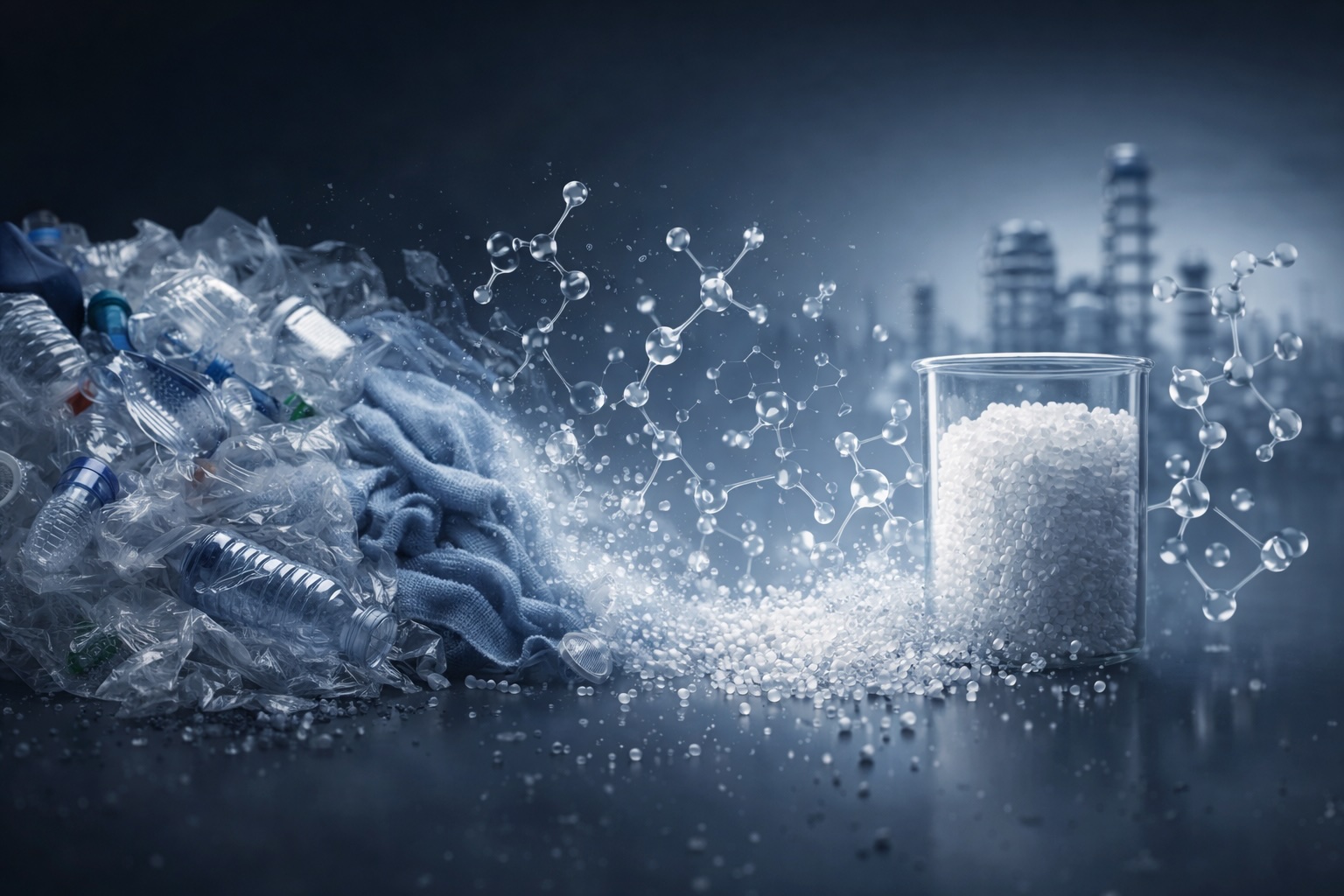 Read more: Europe’s Untapped Raw Material Potential
European industry is currently facing a combination of energy, resource and geopolitical uncertainty. Rising oil and natural gas prices are directly reflected in the cost of producing plastics, chemical feedstocks and fertilisers, while dependence on imports from unstable regions remains high. Paradoxically, Europe possesses its own source of carbon for the production of plastics and…