Category: NEWS
-
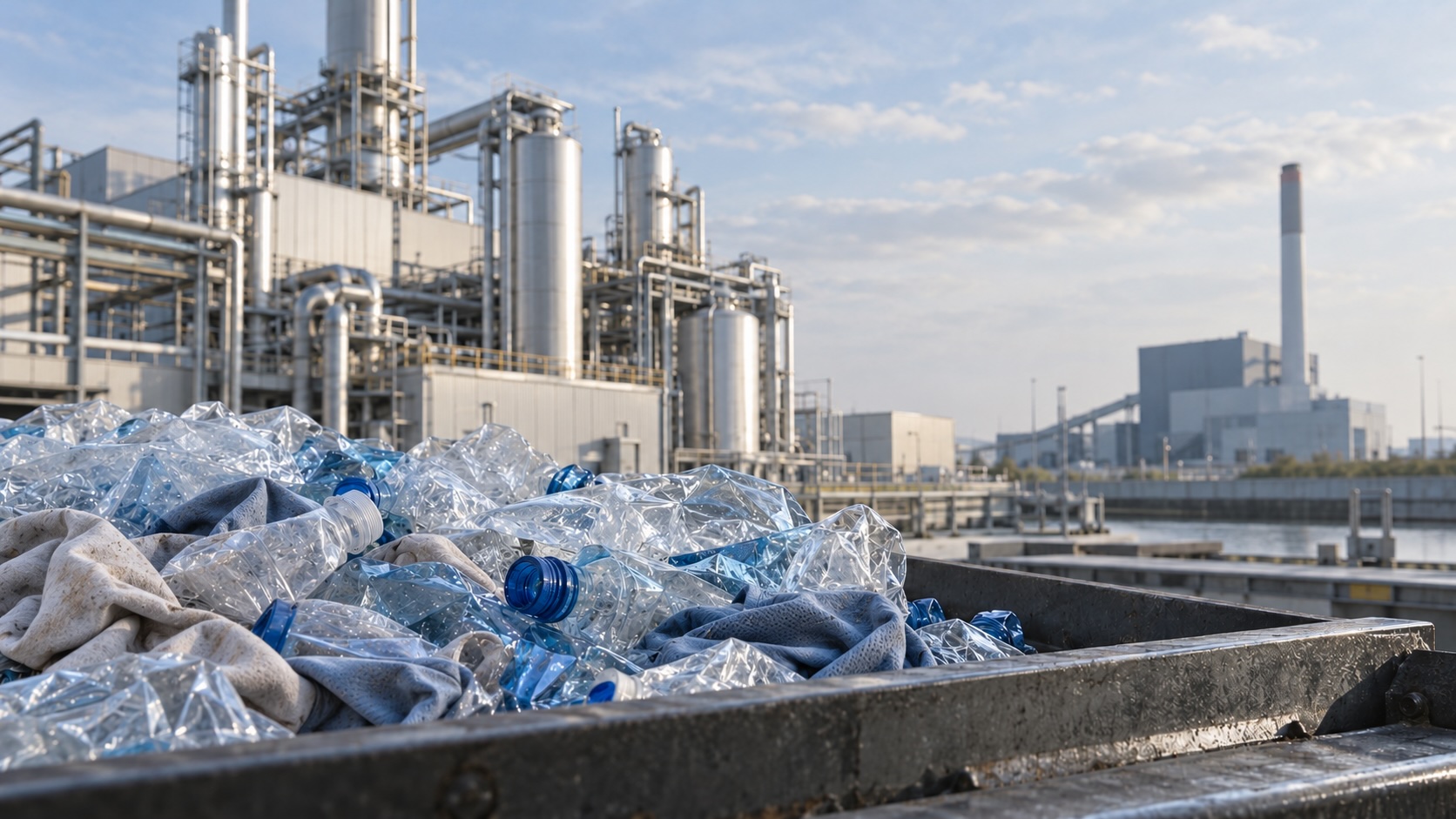
The European Union is preparing to extend emissions trading to waste incineration. The proposal also covers pyrolysis and gasification where their outputs are subsequently incinerated. The change could strengthen the economic position of technologies that return waste to the material cycle. These include RECIVONE’s patented molecular recycling technology for PET and polyester, whose product outputs…
-

Europe’s food security does not begin in the field, but with access to fertilisers. In its new Action Plan, the European Commission highlights that European agriculture remains heavily dependent on imports of both raw materials and fertilisers themselves. The future resilience of Europe’s food system is therefore linked to domestic production, the circular economy, innovation,…
-

The European debate on the circular economy is increasingly focusing on End-of-Waste (EoW) rules, namely the point at which a material, after processing, ceases to be waste and becomes a secondary raw material for further industrial use. The design of these rules will also be important for the further development of chemical recycling of plastics,…
-
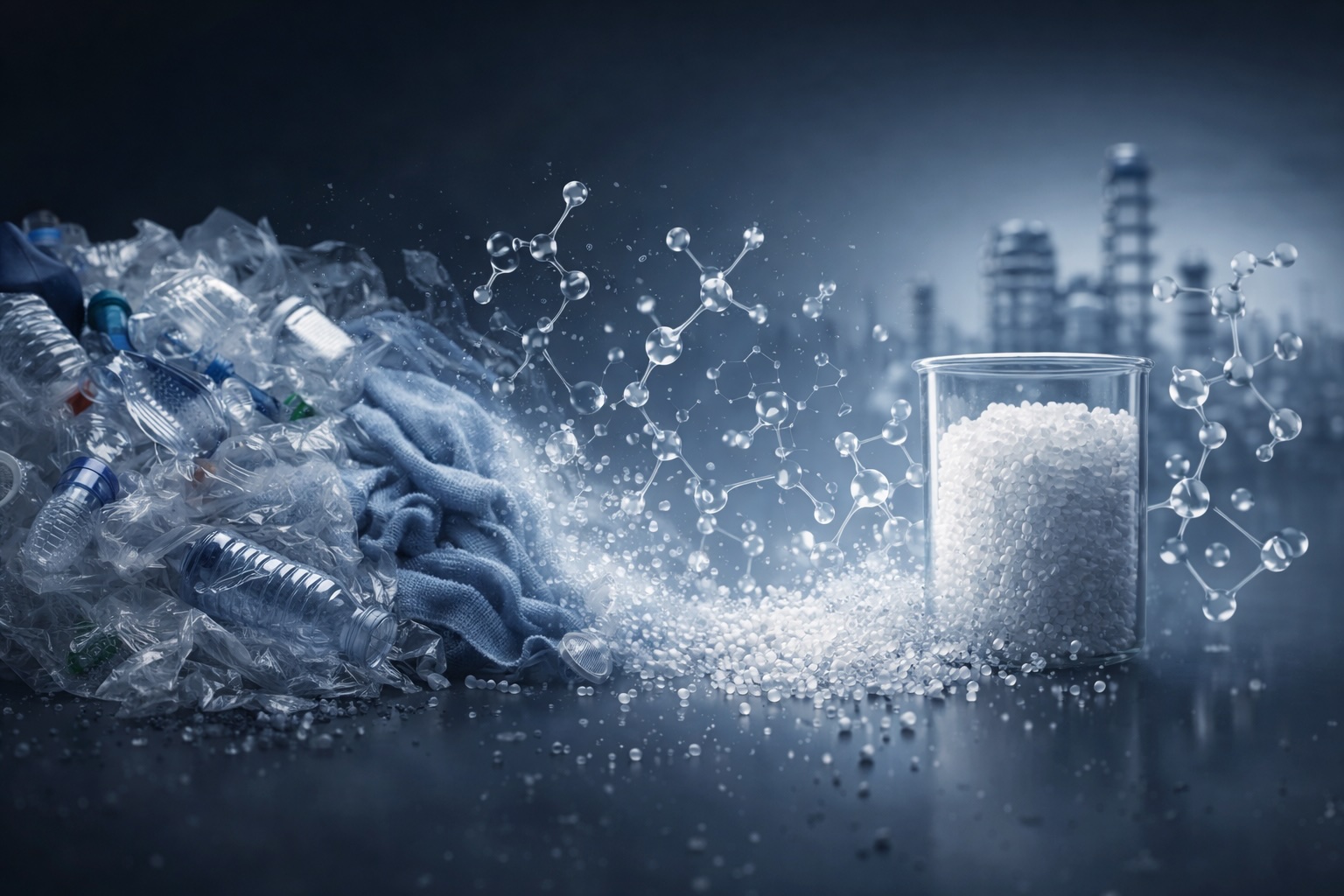
European industry is currently facing a combination of energy, resource and geopolitical uncertainty. Rising oil and natural gas prices are directly reflected in the cost of producing plastics, chemical feedstocks and fertilisers, while dependence on imports from unstable regions remains high. Paradoxically, Europe possesses its own source of carbon for the production of plastics and…
-
The European plastics value chain is experiencing a deepening industrial crisis that is seriously undermining the European Union’s ability to deliver on its circular economy objectives, climate policy goals and strategic autonomy. A combination of high energy prices, unfair international competition, fragmented regulation and insufficient investment certainty is leading to plant closures, postponed investments and…
-
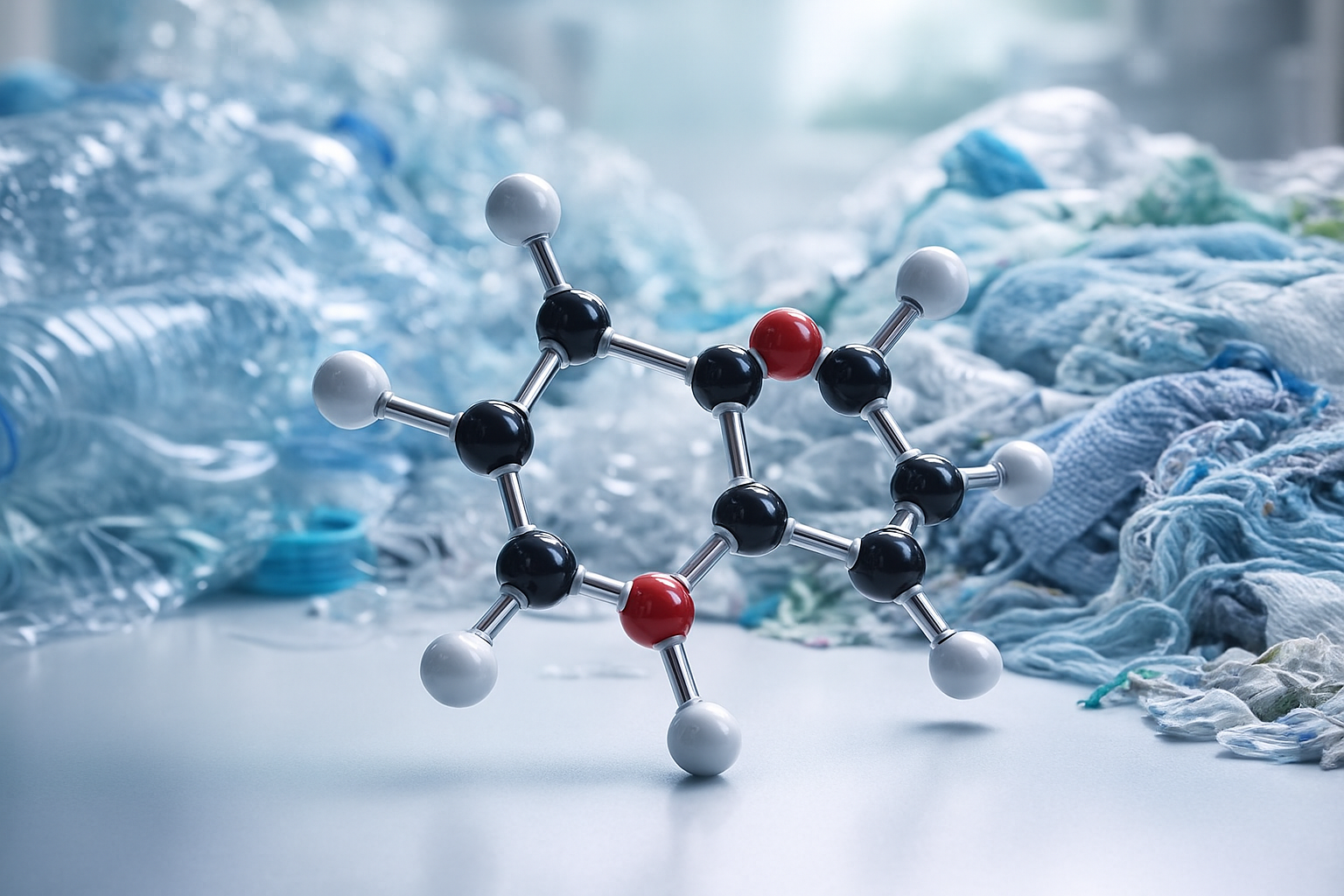
The European Union is facing the most significant transformation in the management of plastics and synthetic materials in the past two decades. Mechanical recycling, long considered the backbone of the circular economy, is hitting both legislative and technological limits. Chemical recycling is therefore entering the stage as a technology capable of returning plastics and synthetic…
-
The European Union has entered a new era of recycling. According to the latest Eurostat data, in 2023 the EU generated 79.7 million tonnes of packaging waste, equivalent to 177.8 kg per inhabitant. Although this represents a slight decrease compared to 2022, the total volume of packaging waste remains significantly above the level the EU considers…